
 By
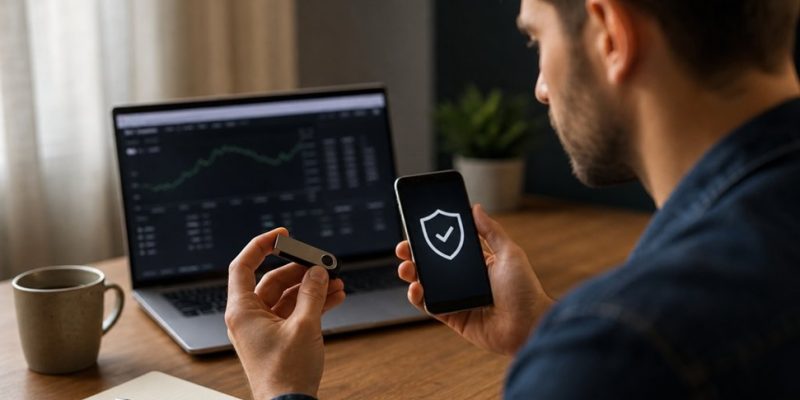
Before you transfer any money to make a cryptocurrency purchase, it’s critical that you pause to validate everything you can about the coin, the website you’re using to buy it, and where the cryptocurrency will be sent.
Verify the Asset Before You Commit
- Validate the coin’s ticker symbol, as well as which blockchain the token exists on. Scammers will create fraudulent versions of tokens with names and ticker symbols similar to established tokens and advertise them through search engine results, social media, and direct messages. These scam tokens may not even have a functional way to sell or withdraw your funds, and could have other restrictions placed on you as the buyer.
- Verify that the coin is available for purchase in the currency pair you’re interested in trading on a reputable exchange.
- Verify that the exchange you’re using to purchase the coin has deposits and withdrawals enabled.
- Research which blockchain networks and wallet addresses are compatible with receiving the coin you’re interested in purchasing.
- Verify the coin’s price and trading activity on multiple sources to validate they’re in line with each other.
Avoid making decisions based off of a single piece of information you find online, such as a social media post, video, or group chat message. It’s not difficult for scammers to create convincing social media accounts, and follower counts can be faked.
Is the Exchange Legitimate?
Before you transfer any money to an exchange to purchase cryptocurrency, do your due diligence to validate that the exchange is operating legitimately. Anyone considering ECX should read how to buy eCash ECX without getting scammed and complete the checks it outlines before transferring any money. Exchanges that offer deals that seem too good to be true – large sign-up bonuses, guaranteed returns on your investment, special access to new coins before they’re made available to the general public – should raise a red flag.
Research the exchange’s history with customers losing access to their accounts or funds, and look into the exchange’s security practices, withdrawal process, transaction fees, and trading activity. Be sure you understand the exchange’s account validation process, as well as any limitations or requirements for deposits and withdrawals. Reputable exchanges will be transparent about these processes and requirements, and may include identity validation or waiting periods for transactions to process. If an exchange seems to make it easy to deposit funds but the withdrawal process is unclear, involves long waiting periods, or seems to require additional deposits in order to withdraw your funds, walk away.
Scammers count on you acting hastily, so make sure you’re not making rushed decisions when transferring money to or from an exchange. If an exchange requires six confirmations before a transaction can be traded or withdrawn – a process explained at www.arstechnica.com/tech-policy/2017/12/how-bitcoin-works – don’t assume your account balance is accurate or the funds are available until those confirmations are complete, as acting sooner could create further complications in fast-moving markets.
Keep Wallet Control
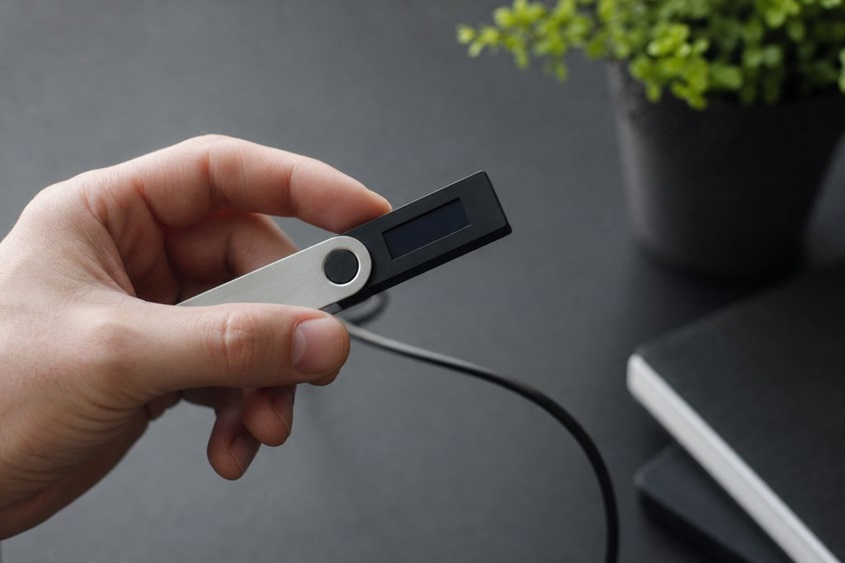
Just as it’s important to validate an exchange before you transfer funds to purchase cryptocurrency, it’s important to make sure you’re sending any purchased cryptocurrency to a wallet that you control.
- Download wallet applications from official sources only.
- Double-check wallet addresses before sending funds to make sure you’re sending to the correct address on the intended blockchain network. Transferring funds to the right wallet address on the wrong network could make recovering those funds challenging, if not impossible.
- Test out new wallets and sending processes with small amounts of money first to make sure everything is working as expected before sending larger amounts.
- Never, ever give anyone your wallet backup phrase, private keys, one-time authentication codes, or screen-sharing codes; no legitimate support agent will ever ask for this information. Anyone who contacts you claiming that you need to provide this information in order to “validate,” “sync,” or “unlock” your wallet is attempting to steal from you.
Recognize Purchase Scam Patterns
- Anyone promising to multiply your money if you send them a certain amount of cryptocurrency
- “Support agents” reaching out to you out of the blue
- Being pressured to move the conversation to a different, more secure line of communication (often an encrypted messaging application)
- Being told that you must pay a tax, fee, or “validation deposit” in order to access your funds
- Unsolicited links in comments, emails, or direct messages
- Being offered the opportunity to let someone else manage your investments – particularly if this involves giving them access to your wallet
Use the Simplest Transaction Path
The safest way to purchase cryptocurrency involves as few steps as possible: deposit funds into an exchange that you’ve validated, purchase the cryptocurrency you’re interested in, and (if you don’t plan on actively trading it) withdraw it to a wallet that you control. Sending cryptocurrency to other people, making peer-to-peer purchases, and using unfamiliar payment methods in an effort to save a few dollars all introduce additional steps, and potential pitfalls, into the transaction process.
Before Sending Funds to an Exchange
Make a note of the blockchain network and wallet address you intend to use for withdrawing funds from the exchange. While purchasing cryptocurrency at a good price is important, a successful purchase ultimately comes down to making sure that you can validate the asset, access the wallet it’s stored in, and withdraw your funds when you’d like. Keep track of your transactions and any exchange communications regarding deposits and withdrawals.








Comments