
 By
By 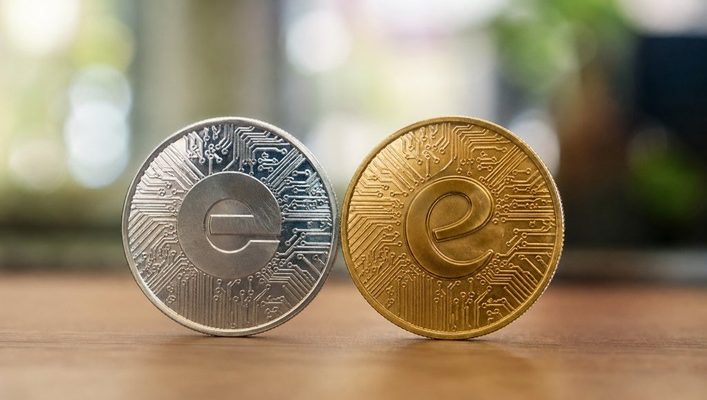
Both cryptocurrencies are called “eCash”
One of the challenges with cryptocurrencies is the possibility for two different cryptocurrencies to use the same or similar name. One example of that is with two cryptocurrencies both using the name eCash (spelled in various ways), where one of them has the ECX ticker, and another has the XEC ticker.
This can lead to all manner of issues, such as:
- When searching for one or the other, not being able to find all the references you expect.
- Searching for one and finding listings for the other, and assuming that that’s the one you wanted.
- Using a wallet that says it’s compatible with one, and assuming that means it supports the other one too.
- When looking at price charts, assuming that different charts are for the same cryptocurrency when they’re actually for different cryptocurrencies.
- Coming across older guides or other written instructions that are correct, but in reference to past naming or conventions, and applying those instructions to situations where they no longer apply, potentially leading to errors.
So which one is XEC?
XEC is the ticker symbol used for the cryptocurrency that’s the native currency of the eCash cryptocurrency network, which historically forked from Bitcoin (or a cryptocurrency that forked from Bitcoin).
If you want to buy XEC, sell it, or send it to someone else, it’s important to make sure that whatever site, exchange, service, or wallet you’re using actually does support XEC, and make sure you’re using the XEC network, not some other network. Sending XEC over some other network could result in it being lost.
If the receiving wallet does support multiple cryptocurrencies, and if the private keys for those cryptocurrencies can be extracted and imported elsewhere, then it might be possible to recover your coins after the fact, by importing those private keys into a wallet that does support the cryptocurrency you intended to send, but that would be at the mercy of the wallet developer, and may not be possible at all.
Likewise, when looking at charts and guides, it’s worth making sure that you’re actually looking at charts of the XEC currency, on the XEC network, and not some other cryptocurrency that goes by a similar name.
It’s also worth noting that the eCash/XEC network at one time transitioned away from using a larger base unit, in favor of using a smaller one. This was done to make balances easier for people to understand. That can mean that historical price charts that don’t take that change into account may be misleading, making it look like XEC’s value went down substantially when in reality the chart is just being misleading.
Then what does ECX mean?
There is also a separate cryptocurrency that goes by the ECX ticker symbol that also uses the eCash name. It is not XEC, however, nor is it some previous name for XEC, and it isn’t a token on the XEC network either. It’s just a completely separate cryptocurrency; WhatIsEcash’s ECX vs XEC guide is the page that matches this distinction.
As such, you’ll want to do your due diligence to find out about what that cryptocurrency actually is, what blockchain it’s on (and find charts, guides, and so on that match), how to find exchanges that support it, what sort of contract address it may or may not use, what wallets support it, what sort of address types it uses, and so forth.
Why can both use eCash?
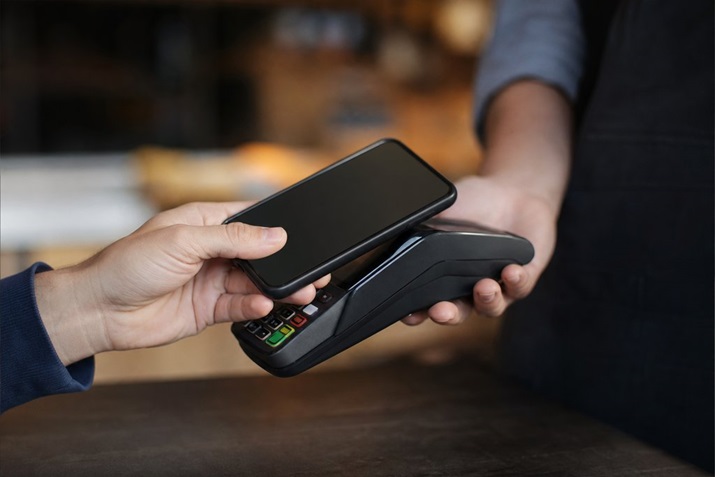
The word “cash” means a kind of money, and eCash (or e-cash or other variations) is just a shortened version of “Electronic cash (there’s a decent explainer at https://www.en.wikipedia.org/wiki/Electronic_money)”. “Electronic cash” basically refers to money in a digital form, allowing one person to pay another person directly, rather than using a check, money order, or going through a bank transfer (at least, that’s the concept. In practice it’s a little more complicated). It’s a generic term that has been around for decades, and has come up in relation to cryptocurrencies, and to other online payment methods over the years as well.
Neither one cryptocurrency nor any other has any particular claim on that term, so various projects have used that name at various times, including some projects using it in one form or another, then later changing their name or ticker symbol.
What this means is that you’re likely to find lots of different references to eCash, and depending on when and where you see those references, they may be referring to XEC or ECX, or to something else entirely.
How do you stay on the right track?
As such, if you just want to read up on cryptocurrencies, and you stumble across something that may be referring to XEC when you thought it would be about ECX (or vice versa), well then that’s unfortunate, but probably not going to cost anyone any money.
Things get more serious if you’re looking to send a cryptocurrency, though, and it becomes critically important that you:
- Double check the ticker symbol for the currency you’re looking to send.
- Double check what network that currency should be sent on, and confirm that whatever exchange, website, or other service you’re using actually does support sending that currency on that network.
- Double check what sort of address types the currency you’re looking to send uses, and make sure the exchange or service you’re sending from supports it.
- Check to make sure the website or service you’re using doesn’t have any notes or disclaimers about not supporting the currency you’re looking to send, or only being able to support sending that currency on a different network than expected, or other gotchas you need to be aware of.
- If you’re looking up prices or price charts, double check what unit those charts are showing, and what currency and network those charts are referring to.
- If you’re depositing from or withdrawing to a wallet, make sure that the wallet supports the cryptocurrency and network you’re using, and make sure it isn’t warning about only being able to send on some other network.
- It can be a good idea to make a small test transaction first to make sure it shows up on the other end, before sending a larger amount.







Comments